Medical help in Northern Greece

Med'EqualiTeam

Primary health care and health education program

Since December 2023, Med'EqualiTeam has been working in the Thessaloniki region to meet the growing primary health care needs of asylum seekers, refugees and other vulnerable groups. With the suspension of several programmes, the closure of NGOs and the geographical isolation of new camps, displaced populations face many barriers to accessing health care.

Greece Context

Since 2015, people seeking asylum arrived in the European Union, fleeing war, famine, persecutions in their countries of origin. Greece is one of the entry points of Europe, and is therefore responsible for the asylum procedure of many people trying to reach it.

Most refugees in Northern Greece come from conflict or disaster-affected countries such as Afghanistan, Sudan, Syria, Iraq. They arrive seeking safety, stability, and better living conditions, often after long and dangerous journeys.

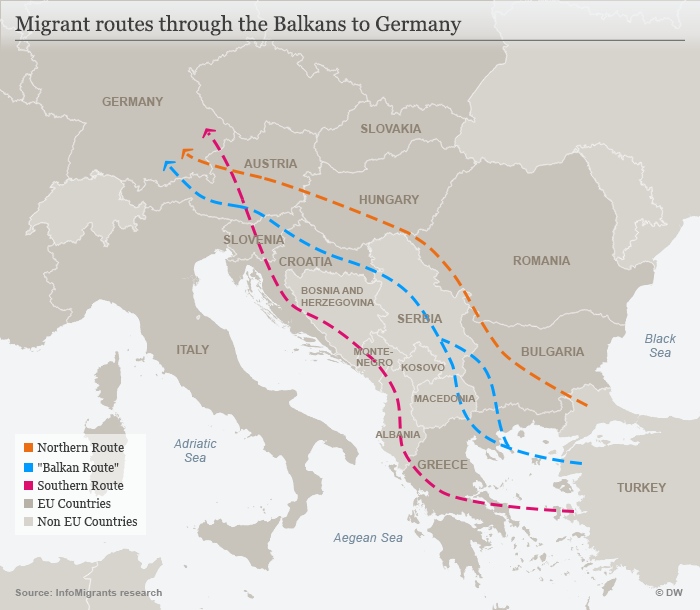
People usually first arrive from Turkey to Greek islands such as Samos or Lesvos, or more recently Gavdos, a small island south of Crete, directly from Lybia. These routes are extremely dangerous and many fatal sea incidents occurred over the years. After spending some weeks in closed camps on the islands, they get transferred to other camps in northern Greece.

Map arrivals Greece 2025 UNHCR

Map of arrivals from January to June 2025 by UNHCR

In Greece as well as in many other European countries, governments are setting strong anti-immigration policies, with some documented pushbacks. People seeking asylum stay several months if not years living in camps where the cash assistance is not being provided, difficult living conditions and low access to health care. Recently the social security numbers are deactivated as soon as someone is granted refugee status if they don't secure a job or housing, effectively cutting off access to free healthcare.

The Northern Greece Project:

In answer to this situation, Med'EqualiTeam operates in northern Greece to provide access to basic medical care for people on the move. Our actions focus mainly on:

  1. The establishment of free medical consultations
  2. Developing health education program

Medical mobile unit

People living in camps, whether documented or undocumented, are often unable to access adequate healthcare due to the isolation of the camps, the irregular presence of medical staff and barriers to access including the lack of provided translators and finances to travel into Thessaloniki for specialists.

In response to the camps’ geographic isolation, we operate a mobile clinic that moves to community centres near the camps to provide basic care to the displaced. We continue to develop our network to expand our coverage in hard-to-reach areas.

Our medical activities are deployed in several areas:

Thessaloniki suburbs

Set up in 2018 to help bridge the gap in services available to undocumented migrants, the WAVE social centre is located in one of Thessaloniki's poor suburbs. It aims to meet the basic needs of people on the move and anyone for whom social services are not available, including Greek people on the margins of society. Everyone has unconditional access to a meal, showers and a warm place to rest during the day.

We work there to provide care and help people who have financial difficulties or problems accessing other health services. We see asylum seekers living in camps or in Thessaloniki, as well as refugees and the city's homeless. The most common ailments are wound infections, skin diseases and parasitic infestations linked to precarious living conditions.

Wave Christmas.jpeg

Serres

The NGO Lifting hands international is operating a community centre on a field next to the refugee camps. In July 2025 the camp population is estimated to be around 700 refugees and asylum seekers.

The field is a space for learning, cultural exchange and building community, and a place where people know they will always be welcomed. The centre offers daily English, Greek classes, an Information Centre, and an accessible community space including women's and Child Friendly Space. There are football and volleyball fields, but also a small garden and the possibility to use music instruments. They are also doing a mechanical workshop for bikes.

Patients come to us from the camp, where the lack of translators and medicines often has an impact on their access to healthcare. Inside the centre, we offer them basic medical care and the necessary treatment. When needed, we can refer to other actors in Thessaloniki.

Reception.jpg

Ioannina

We work there in 2 different centers: Be Aware and Share Community center, and Habibi.Works. Ioannina is a city located 3 hours drive from Thessaloniki, and there are 3 refugee camps in the area.

Greece map.png

Since July 2024; we finalized a cooperation with these 2 NGOs and come once per week to this area to provide free primary health care.

IMG_7733.jpeg

Medical conditions treated in our clinics:

We receive between 50 and 100 patients per week, with a constant increase of this number since we started.

The medical needs and demographics of our patients vary regularly according to the population. We see both adults and children, and we are able to offer basic medical care including antibiotic treatment and wound care, which can be essential in improving health outcomes and preventing worsening health in vulnerable populations.

The most common medical complaints are usually respiratory infections, skin diseases including scabies, musculoskeletal conditions and mental health concerns. The graph below shows the main categories of diseases we see:

202409 Distribution of presenting complaints.png

We ensure that we develop a comprehensive understanding of Northern Greece, including regular contact with other NGOs, so that we can offer our patients the best information and access to other services.

Training and health education:

We are committed to promoting health in order to have an additional impact on improving the health of the people we care for.

We offer health education sessions to the communities, covering essential topics such as mental health, dental hygiene, advice for new mothers, first aid, etc. Furthermore, we adapt the topics according to the wishes of the beneficiaries of the centres. These sessions are a great opportunity for us to have a space to talk with the community, answer questions, build trust and learn from the community about their health and wellness needs.

We also offer free First Aid and Cardiopulmonary Resuscitation (CPR) training to NGOs working in Northern Greece. Designed for volunteers and staff, it enables them to improve their skills and confidence in providing emergency first aid to better support their service users.

IMG_20241009_125221_583.jpg

Picture (10).jpeg

The Team

Our team is composed of 3 coordinators (field/admin, medical and a combined position with volunteer coordination + health education), our dedicated medical volunteers (usually 2 doctors and 1 nurse) and our essential local translators, in order to provide the best care for our patients.
Interested in being a part of our team? Check out volunteer page!

Ευχαριστούμε